


Listening to the High Peaks

Today we explore the sonic heritage of Triglav National Park, celebrating how alpine soundscapes are preserved and exhibited to protect fragile ecologies and living culture. From marmot whistles to glacier-fed torrents and distant cowbells, these sounds carry memory, identity, and scientific insight, inviting careful listening, thoughtful stewardship, and imaginative ways to share immersive experiences with everyone who cares about mountains.

Why Sounds Matter More Than Ever

Across the Julian Alps, sound reveals what sight can miss: shifting seasons, hidden wildlife, and the heartbeat of human tradition woven into valleys and ridgelines. Caring for these voices means defending biodiversity, nurturing quiet refuges, and passing on living knowledge through experiences that move us, not just inform us. By treating listening as conservation, we transform casual hikes into meaningful encounters and exhibitions into bridges that connect science, memory, and responsibility.

Field Recording in the Julian Alps

Capturing delicate mountain audio demands careful planning, ethical patience, and gear that thrives in wind, cold, and sudden storms. Recordists choose trails at off-peak hours, learn animal routines, and keep respectful distances so behavior remains natural. Successful sessions rely on layered strategies: wind protection, thoughtful mic placement, redundant files, and quiet movement. The reward is immersive detail that transports listeners to mossy boulders, moonlit scree, and echoing karst hollows.

From Archive to Exhibition

Recordings gain power when preserved with thoughtful context and shared through experiences that welcome every listener. A durable archive safeguards raw takes, curated edits, and evolving metadata so future researchers, educators, and artists can reinterpret the material responsibly. Exhibitions then translate technical nuance into memorable journeys—inviting bodies to slow down, breathe with the mountains, and leave with practical ways to care for quiet both outdoors and at home.

Metadata That Tells a Story

Beyond file names, rich notes capture elevation, coordinates, weather, season, habitat, mic pattern, gain staging, and observed behavior. Short field diaries add texture, while controlled vocabularies keep searches consistent. Photos of sites, trail conditions, and cloud cover help audiences imagine presence. FAIR principles—findable, accessible, interoperable, reusable—guide structure so archives remain living resources. With strong provenance and permissions, discovery becomes effortless, and re-use honors creators, species, and landscapes.

Designing Immersive Galleries

Ambisonic domes, directional speakers hidden in sculptural forms, and tactile maps invite bodies to explore with ears and fingertips. Timed light cues suggest altitude changes, while captions share local names alongside scientific labels for warmth and rigor. Seating encourages long listening, not quick sampling. Accessibility leads every decision: clear wayfinding, adjustable volume, captions, transcripts, and sign-language videos ensure that silence and song welcome everyone equally, without compromise or apology.

Education That Resonates

School programs pair simple listening exercises with hands-on microphone demos, building curiosity before technical depth. Students sketch soundmaps, compare habitats, and discuss how noise affects nesting or feeding. Teachers receive turnkey kits with lesson plans, safety notes, and consent guidelines for interviews. Traveling boxes of sounds visit libraries and community halls, inspiring families to slow down together. Curiosity becomes stewardship as children recognize voices they want to protect for life.

Community Voices and Pastures

Life around Triglav includes human music: the rhythm of labour, stories told at dusk, and bell patterns that identify herds from far away. Honoring these contributions requires partnership, credit, and care. By inviting residents to co-curate selections and annotate maps, exhibitions grow richer, kinder, and more accurate. Collaboration ensures that what is shared reflects living practice, not museum distance, and that benefits flow back to the people sustaining these traditions.

Shepherd Routes and Cowbells

Seasonal movements shape sound. Transhumance lifts herds from valley barns to high meadows, and bells tuned in complementary pitches weave mobile harmonies across slopes. Recording respectfully means asking permission, sharing edits, and avoiding times when animals need calm. Documenting forge marks, strap patterns, and repair stories preserves craftsmanship alongside audio. When replayed in galleries, visitors hear not just bells, but relationships: person to herd, pasture to weather, work to rest.

Local Storytellers and Guides

Oral histories capture dialects, mountain cautionary tales, and small jokes that keep long hikes light. Short interviews near chapels, springs, or boundary stones anchor voices to meaningful places. With clear consent, transcripts and translations widen access without flattening personality. Guides help name birds by ear, identify safe listening spots, and frame respectful etiquette. Their presence turns recordings into encounters, lifting authenticity beyond any narrator reading facts from a page.

Co‑Creation With Residents

Map evenings invite villagers to mark seasonal sounds: where cuckoos return first, where avalanches rumble loudest, where ice sings beneath skates. Participants select clips, propose captions, and flag sensitive locations to keep off public maps. Royalties or honoraria acknowledge expertise, while traveling showcases visit community centers before big-city halls. This reciprocity keeps trust alive, ensuring the project documents living practice while supporting the very networks that keep it breathing.

The Science of Silence

Soundscape ecology transforms listening into measurable evidence, revealing patterns that guide conservation policy. By tracking biophony, geophony, and anthrophony across years, researchers can detect subtle change before it appears obvious to the eye. These metrics complement field notes, camera traps, and vegetation surveys, creating a fuller picture of resilience and risk. Translation into public exhibits then grounds abstract indices in feelings, empowering communities to advocate for protective action with confidence.

Share, Subscribe, and Step Lightly

Your participation keeps this work alive. By subscribing, submitting field notes, or proposing exhibition venues, you help safeguard fragile voices and expand access for schools and elders alike. We invite respectful dialogue, thoughtful critique, and collaborative creativity. Together we can build a listening culture that travels beyond the park, inspiring choices that reduce noise, protect habitats, and honor people who keep mountain knowledge vibrant in every season, storm, and sunrise.

Join the Listener Network

Sign up for monthly dispatches featuring new alpine recordings, behind‑the‑scenes techniques, and invitations to guided soundwalks. Share your careful takes through community calls with clear ethical guidelines and licensing options. We welcome questions about gear, routes, and safety. Moderated discussion keeps kindness first, while highlights credit contributors prominently. Your engagement shapes what we record next, ensuring our collective archive reflects many ears, languages, and memories gathered across weather and time.
Student Challenges and Open Data

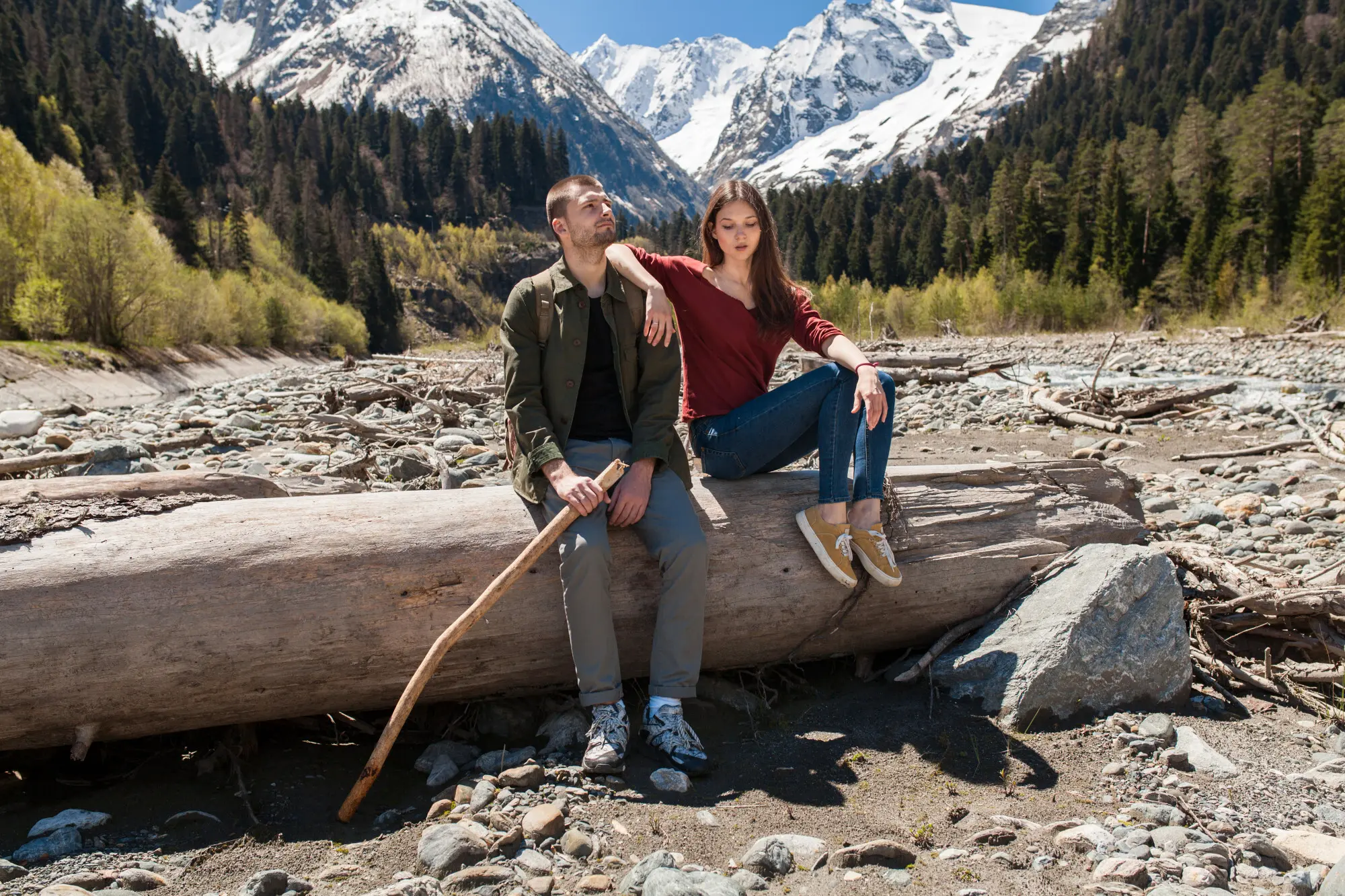
Students and educators can access curated datasets with spectrograms, metadata, and transcripts for creative or scientific projects. Monthly challenges invite comparative analyses between habitats or seasons, with feedback from field recordists and ecologists. Winning entries join exhibits and earn mentorship sessions. Clear documentation, reproducible workflows, and permissive licenses foster learning without guesswork. By lowering barriers, we empower new voices to test ideas and share discoveries that enrich stewardship for everyone.
Plan a Low‑Impact Visit

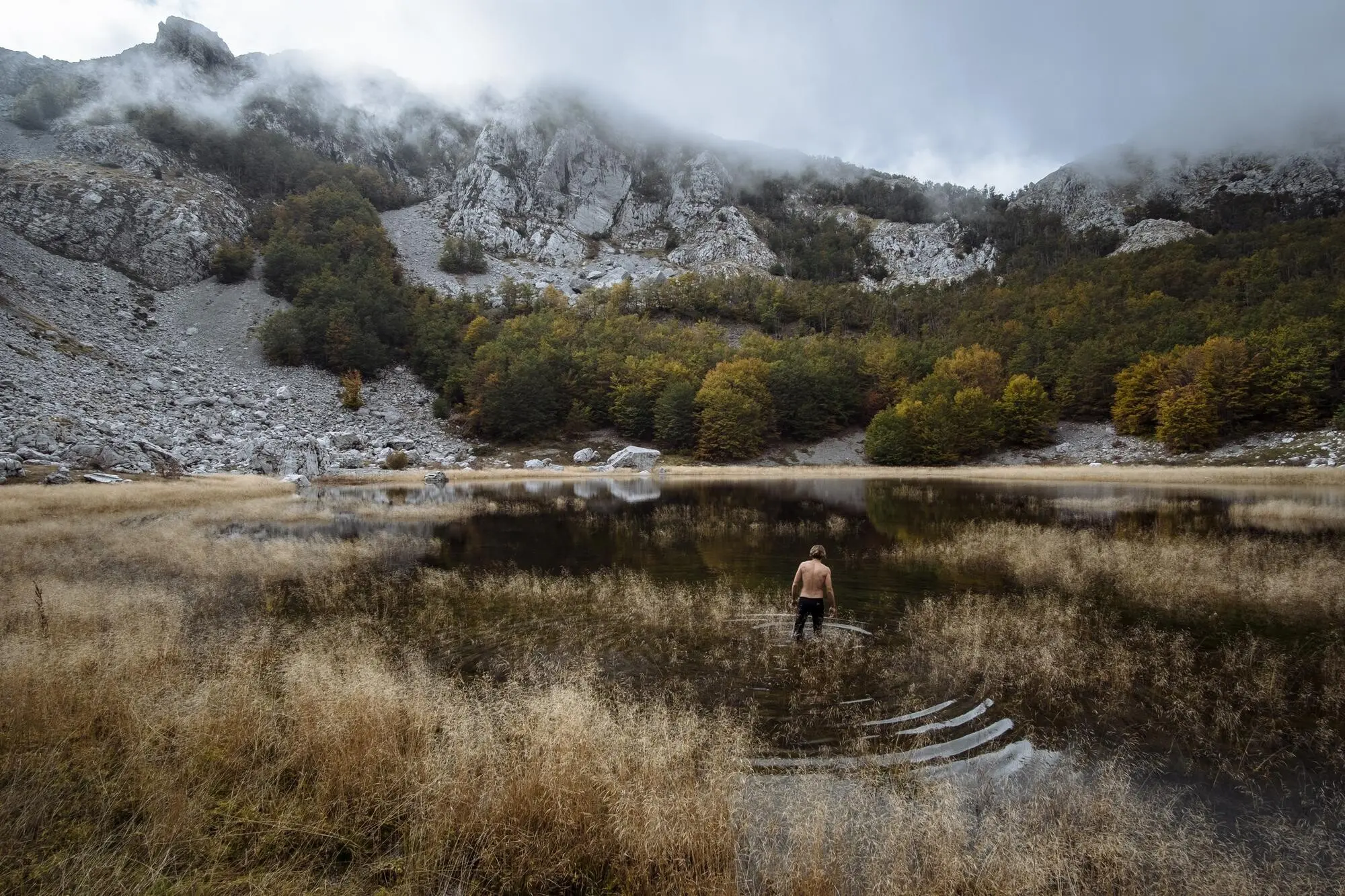
Choose quieter hours, keep small groups, and pack soft‑soled shoes to tread gently on roots and rock. Mute notifications, pocket drones, and let voices drop near nests or dens. Bring reusable bottles, warm layers for still listening, and patience for long takes. Follow ranger advice, leave microhabitats undisturbed, and share trails generously. Returning home, carry practices with you so everyday streets, parks, and windowsills also become places where attention nourishes care.

Zeramiratariniloloromexo
Privacy Overview

This website uses cookies so that we can provide you with the best user experience possible. Cookie information is stored in your browser and performs functions such as recognising you when you return to our website and helping our team to understand which sections of the website you find most interesting and useful.