Walking the High Quiet: Designing with Mountain Sound

Step into a moving studio where ridgelines, stone, wind, and water shape creative decisions. Today, we journey through “Soundwalks of the Julian Alps: Field Recording as Design Material,” exploring how footsteps on limestone, Soča River rapids, distant cowbells, and raven calls can guide prototypes, interactions, and spatial experiences. Expect practical techniques, field-tested stories near Triglav and Bohinj, ethical listening practices, and design methods that translate alpine acoustics into resonant projects. Share your favorite mountain sound as you read, and join our newsletter for more walks.

Listening Before Drawing: Preparing Alpine Soundwalks
Footfall, Fog, and First Light
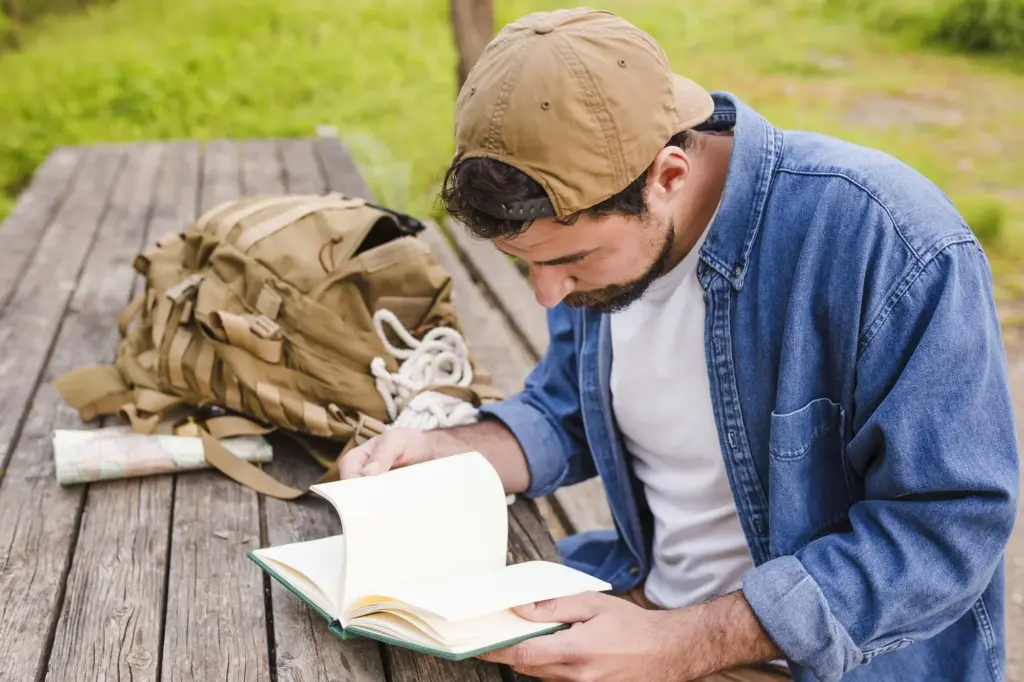
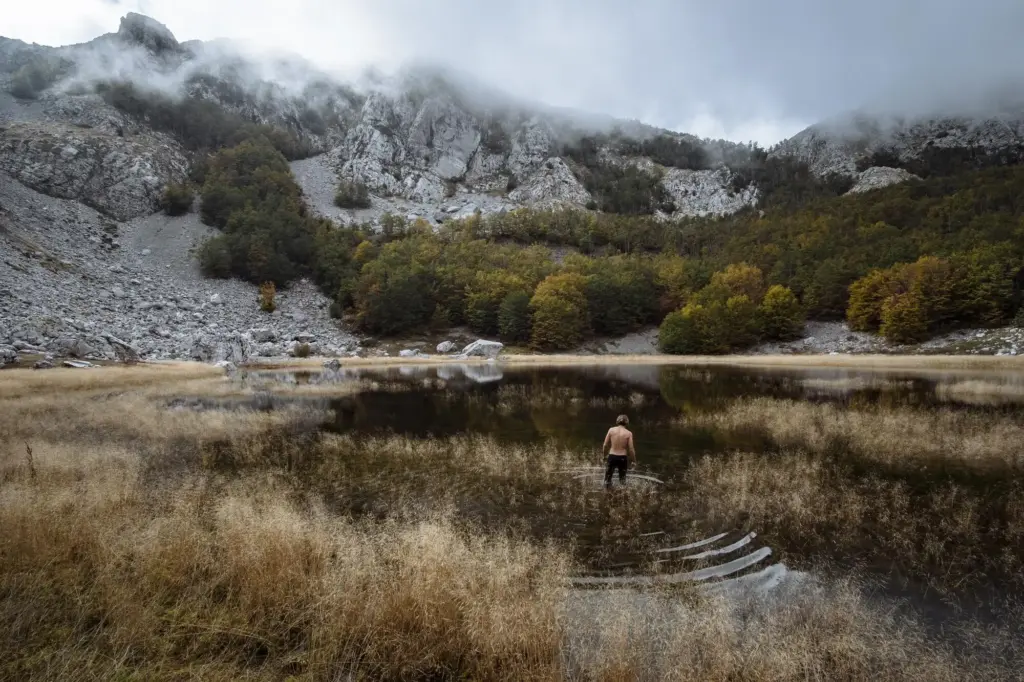
Pre-dawn air over limestone carries detail like thin paper carries ink. At first light, fog muffles the cowbells on high meadows while amplifying boots on frost. Walk slowly, letting your stride become a metronome for noticing. Pause near dwarf pine; listen for micro-streams thawing. First light grants honest levels before tourism stirs. Sketch with sound, not pen; annotate with breath counts, temperature, and horizon silhouettes. Describe your earliest morning memory of outdoor quiet, and how it changed what you wanted to make.

Wayfinding with Ears

Maps show contours, yet hearing reveals crossings. Follow ravens to thermals, find sheltered ledges by tracing steady noise floors, and notice how spruce stands diffuse wind into velvet. In the Julian Alps, a notch can funnel a distant shepherd’s call into intimate company. Build a route that alternates exposure and refuge to gather contrast without fatigue. Mark sonic landmarks the way hikers mark cairns. Would your own path privilege ripples, or rockfall echoes? Send us your priority list and we will share ours back.

Safety, Weather, and Volume

A storm arriving over Mangart announces itself in low pressure and restless leaves long before thunder. Keep gain conservative when skies change; save your ears and your files. Record reference claps for later alignment but never where lightning could argue back. Watch snow bridges, respect loose scree, and treat fatigue as a filter distorting judgment. Carry hot tea, spare headlamps, and an exit plan. Remember: safe bodies equal truer recordings. How do you balance curiosity with caution when the valley hushes and clouds lean close?

Tools on the Ridge: Field Recording Techniques that Survive the Wind
Windproofing Without Smothering Detail

Layer wind protection like clothing: foam for breath pops, fur for gusts, and additional blimps when ridges howl. Angle capsules off-axis to the breeze, using your body and backpack as adjustable baffles. Seek lee-side eddies where wind becomes texture rather than slap. Practice quick, silent adjustments to avoid handling thumps. In post, prefer surgical high-pass filtering to blanket cuts. Where have you found the most delicate balance between air movement and nuance, and what did that moment teach your microphone hand?

Capturing Water Without Ruining Gear

The Soča whispers turquoise even without color. Hydrophones tucked under stones translate swirls into braided rhythms; waterproof lavaliers ride the splash line for perspective shifts. Keep silica packs in sealed pouches, wipe connectors with patience, and never overreach toward a slick boulder. Record from upstream and downstream to collect complementary transients. Compare laminar pools to gravel riffles to sample timbral families. Tell us which river tones calm you most, and how you might weave them into interface feedback or spatial entrances.

Distance, Scale, and Perspective

Parabolic dishes magnify a chamois cough yet flatten space; ORTF preserves spread; spaced omnis drink the whole valley. Choose perspective intentionally, like selecting lens length. In the Julian Alps, wide bowls exaggerate pre-echo, while forest aisles create living reverb chambers. Step closer for intimacy, then retreat to hear context recompose the source. Layer positions to build design-ready scales. Which perspective helps your projects breathe—whisper-close textures or panoramic beds? Send an example you love, and we will map a parallel capture plan.

From Raw Rustle to Material: Editing and Cataloging for Design Use

Back from the mountains, files meet meaning. Editing is not erasure; it is a gentle revealing of structure. Keep place intact while shaping sequences that designers can grab without hesitation. Name with clarity, embed rich metadata, and maintain a taxonomy that mirrors terrain: ridge, bowl, scree, larch, riverbed. Build stems and variations at multiple lengths. Reference peaks with markers for fast auditioning. What folder structure makes you breathe easier under deadline pressure? Share it, and we will add field-tested tweaks.

Metadata That Designers Can Design With

Write descriptions for human ears, not only search engines: “soft granite scrape under damp glove,” “distant cowbell drifting through spruce veil,” “Soča pocket rapid, mid-depth, overcast.” Include mic array, polar pattern, coordinates, altitude, and ethical notes when relevant. Use Broadcast Wave fields consistently, complemented by sidecar JSON for extensibility. Think verbs and material affordances to accelerate mapping. What tags do you reach for first when ideating interactions? Tell us, and we will propose a shared vocabulary for future walks.

Transformations that Keep Place Intact

EQ, denoise, and dynamic shaping must respect the mountain’s handwriting. Try subtractive moves before boosts, avoid over-sterilizing leaf-rattle, and preserve drift in slow winds. Time-stretch conservatively to keep grain honest. Comp your favorite takes, but keep originals accessible for traceability. Consider parallel paths: one faithful archive, one design-forward palette. Where have you drawn the line between enhancement and invention, and how did your audience respond to that balance when the resulting object met their hands or headphones?

Places You Can Hear: Spatial Storytelling across Headphones and Spaces

Mountains are inherently spatial; their acoustics insist on orientation. Bring that insistence into headphones, galleries, and sidewalks. Binaural recordings relocate listeners behind a larch, inside a bowl, or beneath a cornice safely. Ambisonic captures let rooms answer back through different arrays. Geotagged layers connect steps to sounds through subtle triggers. The Julian Alps offer contrasts perfect for narrative arcs. Where would you seat a listener—on a ridge bench, or by a cold spring? Tell us, and we will build from there.

Care, Consent, and Quiet: Ethics in Mountain Listening

Listening is never neutral. It meets histories, habitats, and livelihoods. Alpine pastures support families; forests shelter capercaillie that startle easily; climbers and hikers carry their own agendas. Approach with reciprocity. Learn a few Slovenian greetings. Share edited results with communities who supported your access. Avoid broadcasting sensitive locations. Publish methods alongside outcomes. Ask who benefits. Build projects where quiet is not extracted but cultivated. How do you practice care in your work, and what reciprocity would feel meaningful after a successful piece?

Prototypes that Breathe: Turning Recordings into Experiences

Field recordings become generous collaborators once invited into prototypes. Let alpine textures influence timing, resistance, and affordances rather than sit as decorative afterthoughts. Craft sonic cues that help people move gently, decide confidently, and rest longer. Build small, test quickly, and let place critique your iterations. Share process videos, not only finals, to welcome feedback. Tell us what you are building next, and we will suggest a capture plan that supplies both character and measurable behaviors.

01

Installation as Weather

Compose rooms that breathe like passes: fans shifting fabric in response to slow drones captured under cliff overhangs, lights dimming with river amplitude, benches resonating slightly as footsteps approach. Let visitors discover logic intuitively. Avoid spectacle; invite lingering. Test with elders and children for clarity. Document failings generously to guide future designers. What indoor nook in your city could host a pocket of alpine weather for a week, and which recorded element would you choose as the anchor gesture?

02

Interfaces that Feel Like Stone and Snow

Translate crunch, scrape, and slide into texture under the finger. Calibrate haptics with snowpack recordings at varying temperatures so feedback signals density changes clearly. Use rockfall transients sparingly to indicate irreversible actions. Design confirmation tones shaped by cowbell decay tails for warmth. Leave space between interactions so silence participates. Which behavior in your product would benefit from alpine tactility, and how might a single rivulet loop change your perception of waiting, success, or a gentle nudge to continue?

03

Publishing and Community

Release curated packs with transparent licensing, provenance notes, and prompts for interpretation. Host listening sessions where prototypes sit beside their sources, letting listeners compare. Invite critiques from rangers, guides, and neighbors. Build crosswalks to choreography, ceramics, and architecture programs. Sustain the practice with subscriptions that fund maintenance trips and equipment repair. What would make you subscribe—exclusive dawn walks, annotated Ableton sets, or collaborative mapping sprints? Tell us, and we will design the next season around shared curiosity.

Zeramiratariniloloromexo
Privacy Overview

This website uses cookies so that we can provide you with the best user experience possible. Cookie information is stored in your browser and performs functions such as recognising you when you return to our website and helping our team to understand which sections of the website you find most interesting and useful.